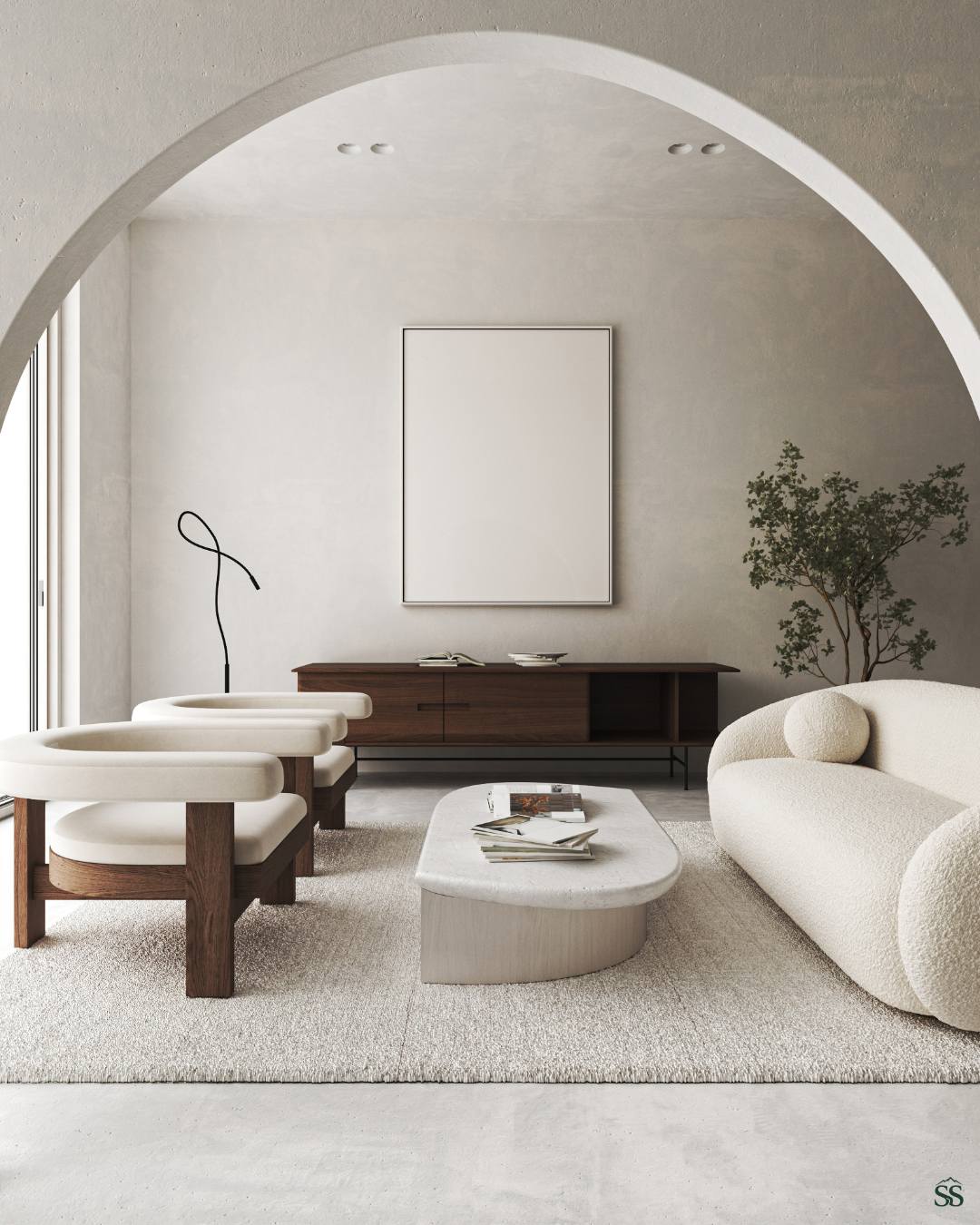
The Details Buyers Notice Without Realizing It
Buyers might not always be able to explain why a home feels polished and inviting, but they often pick up on the small details that create that impression.The way furniture is positioned, how much space is left between pieces, and even the placement of decor can quietly influence how a room feels. These details may go unnoticed individually, but together they can make a noticeable difference in how buyers experience a home.
Professional staging considered the little things that help a space feel balanced and intentional. Clear walkways make rooms easier to navigate, appropriately sized furniture helps establish scale and simple styling draws attention to the features that matter most. Even details like lighting, window treatments, and the amount of visual clutter can affect whether a room feels open and comfortable or crowded and distracting.
The goal isn't for buyers to notice every staging decision, it's for them to feel how the home naturally comes together. When thoughtful details work quietly in the background, buyers can see a property without distractions and focus on what the home actually has to offer. Sometimes, the most successful staging is what buyers never consciously realize they noticed.

What Professional Stagers Notice That Homeowners Often Miss
When you live in a home every day, it's easy to become accustomed to the little details that you no longer notice. A professional stager brings a fresh perspective and a trained eye to the space, identifying things that may be overlooked by the homeowner. From furniture placement and visual distractions to areas that feel crowded or underused, these details can have a bigger impact on how buyers experience a home.
Professional stagers look at the home as a whole, paying attention to how each room photographs, how buyers move through the space and which features deserve to stand out. They can recognize when a room needs more breathing space, when a focal point is being overlooked, or when a simple adjustment could make the layout feel more natural. These small changes help create a polished presentation without taking away from the character of the home.
Sometimes, the most impactful staging decisions are the ones homeowners don't immediately see. By looking at a property through a buyer's perspective, professional stagers can uncover opportunities to improve the overall presentation and create a stronger first impression. That outside perspective can help a home feel more intentional, balanced, and ready to hit the market.
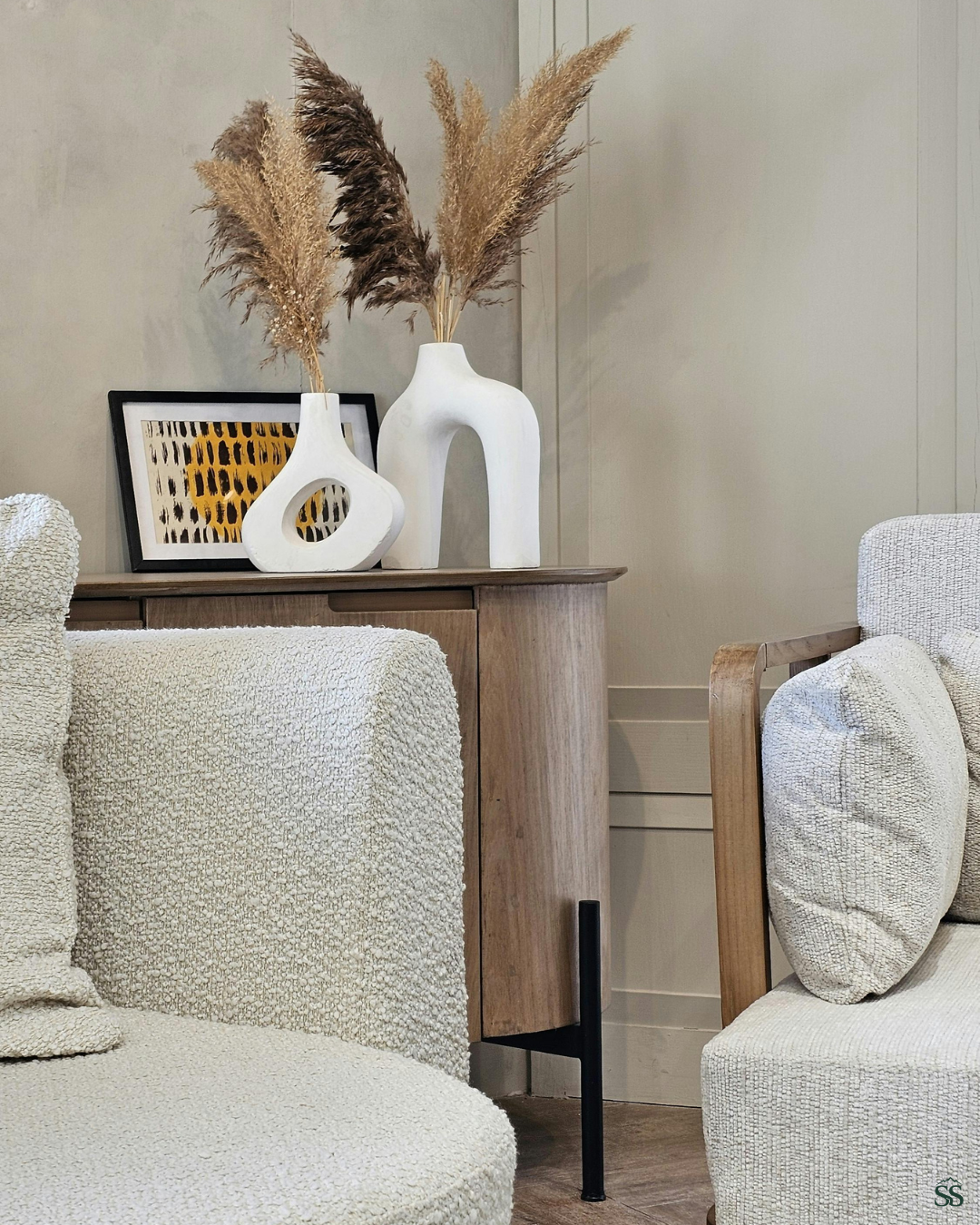
Why Buyers Appreciate Move-In Ready Homes
When buyers walk into a home, they're often looking for a space that feels well cared for and easy to imagine moving into. While no home is perfect, a clean, thoughtfully staged home create the impression that it's been maintained with care. That positive first impression can set the tone for the entire showing.
Staging helps eliminate distractions, by presenting each room in its best light. Clean surfaces, intentional furniture placement, and carefully selected decor create a polished appearance that allows buyers to focus on the home's features instead of small imperfections or unfinished spaces.
A home that feels move-in ready is often easier for buyers to connect with because it requires less imagination. When they can picture themselves unpacking and settling in right from the moment they walk through the door, they're more likely to remember the home and leave feeling excited about its potential.

Every Room Has a Purpose
One of the biggest challenges buyers face during a showing is understanding how to use every space in a home. An empty room or one filled with mismatched furniture can leave buyers questioning how it can be used. Thoughtful staging removes that uncertainty by giving each room a clear function while showcasing its full potential.
Whether it's transforming a spare bedroom into a home office or creating a cozy conversation area in an unused corner, staging helps buyers see how every square foot can be enjoyed. Defining each space also helps rooms feel appropriately sized and demonstrates how the home's layout supports a variety of lifestyles.
When buyers immediately understand how a home works, they're able to focus on how it fits their own needs instead of trying to solve design puzzles. By creating purposeful, functional spaces, staging helps buyers feel more confident in the home and leave a lasting impression long after the showing ends.

Staging The Lifestyle, Not Just The Home
Buyers aren't just looking for a house, they're imagining the life they could build within it. Effective staging goes beyond arranging furniture. It creates a sense of lifestyle that helps buyers envision how they would relax, entertain, work, and connect in the space.
Thoughtful details can make a home feel more relatable and inviting. A cozy reading nook, a well-styled dining table, or a welcoming outdoor seating area helps tell a story about everyday living. These subtle touches give buyers a clearer picture of how the home can support their routines and goals.
When buyers can see themselves enjoying a space, they often form a stronger emotional connection. That connection can make a home more memorable and encourage greater interest. By showcasing the lifestyle a home offers and not just its features, staging helps create an experience that resonates long after the showing ends.

Creating a Cohesive Experience Throughout The Home
A buyer's experience isn't shaped by a single room, it's influenced by how the entire home feels as they move from space to space. When each room has a consistent style, scale, and level of finish, the home feels more intentional and inviting. Staging helps create that sense of cohesion, allowing buyers to focus on the home itself rather than noticing abrupt transitions or disconnected design choices.
Thoughtful staging considers how every space relates to the next. Furniture placement, color palettes, and decor selection work together to create a natural flow throughout the home. Whether it's an open concept layout or a home with distance rooms, consistency helps spaces feel connected and easier to navigate.
When a home feels cohesive, buyers often perceive it as more polished and better maintained. That positive impression can make the property feel more memorable and help buyers envision themselves living there. By creating a seamless experience from room to room, staging helps showcase the home's full potential.

Designed to Stand Out Online
Today's home search almost always starts online. Before a buyer can ever step inside, they've already formed an opinion based on the listing photos. In lots of cases, those few minutes of scrolling determine whether they click for more details, or move on to the next property. Staging plays a key role in making sure a home stands out in the first digital impression.
Thoughtful staging helps a home photograph at its best by creating clean sightlines, balances furniture layouts, and intentional focal points in every room. It ensures that spaces feel bright, open and proportional in photos while also feeling natural in person. Rather than overwhelming a viewer, the goal is to guide their eye through the home and highlight its most attractive features in a clear, cohesive way.
When a home shows well online, it earns the opportunity to be seen in person and that's where interest can turn into action. Buyers arrive with a stronger sense of connection because the home already feels familiar and appealing. Staging bridges the gap between digital browsing and real life experience, allowing the property to make a lasting impression at each stage of the search.

From Empty to Inviting: The Power of Staging
Vacant homes can be some of the most challenging spaces for buyers to connect with. Without furniture or decor, rooms can feel smaller, colder, and harder to understand. What could be a beautiful, well-designed home can quickly come across as unfinished or lacking personality when it's empty.
Staging brings life and purpose back into those spaces. By adding thoughtfully selected furniture and accessories, each room is given definition and scale. Buyers can clearly see how spaces function, how furniture fits, and how the home supports everyday living. It transforms an empty structure into something that feels intentional and complete.
When a home feels whole, it's easier for buyers to picture themselves in it. That clarity builds confidence and keeps the home top of mind after a showing. Staging a vacant home isn't about filling space, it's a way to create a vision buyers can step into and remember long after they've left the home.

How Staging Highlights a Home’s Best Features
Every home has standout features, staging helps make sure buyers actually see them. Whether it's natural light, architectural details, or a spacious layout, these elements can easily be overlooked without the right presentation. Staging draws attention to what makes a home special by creating a layout that feels intentional and easy to follow from room to room.
Thoughtful placement and styling guide the buyer's eye. Furniture is arranged to frame focal points like windows, fireplaces, or open-concept living areas, while minimizing distractions that pull attention away. Instead of competing elements, the space feels cohesive and balanced, allowing key features to naturally stand out.
When buyers can clearly see what makes a home unique, it becomes more memorable. That clarity builds confidence and helps the home leave a lasting impression long after the showing ends. By showcasing strengths instead of leaving them to chance, staging helps a home stand out in all the right ways.

Why Less is More in Home Staging
When it comes to staging, more isn't always better. A space filled with too much furniture or decor can feel smaller, busier, and harder to understand. Staging focuses on simplifying each room so buyers can clearly see the layout, the purpose, and the potential. By removing excess and keeping only what adds value, the home immediately feels more open and inviting.
Creating that sense of space allows a home's best features to stand out. Clean surfaces, balanced furniture, placement, and intentional styling help guide the eye without overwhelming it. Instead of competing for attention, each element works together to create a calm and cohesive environment. This makes it easier for buyers to move through the home and take everything in.
When a home feels open and easy to navigate, buyers feel more at ease. That sense of comfort builds confidence and allows them to focus on what truly matters: how the home fits their lifestyle. By embracing a "less is more" approach, staging creates clarity, and clarity helps homes make a lasting impression.

How Staging Help Buyers Connect With a Home
Buying a home is often an emotional decision as much as a logical one. While buyers may start their search with a checklist, the homes that stand out are usually the ones that simply feel right. Staging helps create that feeling by presenting a space that is welcoming, balanced, and easy to imagine living in. When a home feels comfortable and inviting, buyers naturally want to spend more time exploring it.
Thoughtful staging helps highlight how each room can be used while allowing the home's best features to stand out. Furniture placement, lighting, and subtle styling guide buyers through the space and create a sense of flow. Instead of focusing on empty corners or wondering how a room could function, buyers can clearly see how the home supports everyday living.
When buyers feel connected to a home, their confidence has room to grow. That emotional connection often leads to stronger interest, quicker decisions, and more competitive offers. By creating a space that feels both polished and approachable, staging helps turn a simple showing into a memorable experience.

Why Staging is Part of Smart Home Marketing
Selling a home is about more than listing it. It's about presenting it in the best light. In today's market, buyers form opinions quickly, often before they ever step inside. staging helps shape that first impression by creating a space that feels welcoming, polished, and move-in ready. When a home is presented thoughtfully, it immediately stands out from the competition.
Staging is a visual marketing tool that works across every platform. It enhances listing photos, video tours, and in person showings by highlighting a home's best features and creating a clear sense of flow. Rather than leaving buyers to imagine possibilities, staging shows them. That clarity builds emotional connection and keeps buyers engaged longer.
Ultimately, smart home marketing reduces hesitation. When buyers feel sure about a space, they will want to act quickly and make strong offers. Staging supports that confidence by removing distractions and showcasing the home at its best, making it not only seen, but remembered.

What to Expect When You Work With a Professional Stager
Working with a professional stager is a collaborative process designed to present your home in its best possible light. It typically begins with a walkthrough or consultation where the stager evaluates the space, identifies strengths, and notes opportunities for improvement. The focus is on understanding the home, the target buyer, and the overall goal, creating a space that feels welcoming and easy to imagine living in.
From there, the stager creates a plan tailored to your home. This may include furniture placement, light styling adjustments, or full staging using carefully selected pieces. Every choice is intentional, meant to highlight scale, flow, and function while minimizing distractions. The goal isn't to change the home, but to help it show more clearly and confidently.
Ultimately, working with a professional stager provides clarity and peace of mind. Instead of guessing what buyers want, you have an expert guiding the presentation of your home. When a space feels polished and purposeful, your home is sure to stand out.

The Power of First Impressions in Real Estate
First impressions in real estate are formed almost instantly. From the moment a buyer pulls up to the home or opens the front door, they begin forming opinions about the space. Lighting, layout, and overall feel set the tone, and those initial moments can shape how a buyer views the rest of the home. A strong first impression invites buyers in and encourages them to explore further.
Staging plays a key role in creating that immediate impact. A welcoming entry, thoughtfully arranged living space, and a sense of flow help buyers feel comfortable right away. When a home feels bright, organized and intentional, buyers are less likely to focus on flaws and more likely to notice the home's strengths. The easier it is to connect with a space, the stronger the emotional response.
Ultimately, first impressions are hard to undo. A home that feels warm and well-presented from the start builds confidence and trust with buyers. When that connection is made early on, buyers are more engaged, more motivated, and more likely to move forward quickly.

Staging Tips For Occupied Homes
Staging an occupied home doesn't mean making it feel empty, it just makes it feel intentional. When sellers are still living in the space, the goal is to create a balance between comfort and presentation. Simple adjustments like removing excess decor, minimizing personal items, and changing furniture help buyers focus on the home itself rather than the people living there.
Small changes can make a big impact. Rearranging furniture to improve flow, opening up walkways, and letting in as much natural light as possible can instantly make rooms feel larger and more inviting. Neutral tones, clean surfaces, and thoughtful styling allow each space to feel calm and easy to understand, helping buyers visualize how they could love there.
Ultimately, staging an occupied home is about clarity. By highlighting functionality and removing distractions, buyers can connect with the space on an emotional level. When a home feels well cared for, organized, and welcoming, it creates confidence, allowing buyers to move forward with less worries.

Staging vs Decorating: What’s The Difference?
Decorating is personal, while staging is purposeful. Decorating reflects the tastes, memories, and lifestyle of the person living in the home, while staging is designed to appeal to the widest range of potential buyers. What feels comfortable and meaningful to a homeowner may not translate the same way to someone seeing the space for the first time. Staging removes the personal lens and replaces it with a buyer-focused perspective.
Decorating is about expressing style, staging is about strategy. Furniture placement, scale, and color choices are selected to highlight a home's best features and improve flow from room to room. The goal isn't to showcase personality, but to help buyers understand how the space functions and how they could live in it. Every piece is intentional and serves a purpose.
Ultimately, staging helps buyers connect without distraction. By creating a neutral, welcoming environment, staging allows the home itself to shine. Buyers aren't trying to see past someone else's choice, they're imagining their own future. That clarity makes the home feel more accessible, more desirable, and easier to say yes to.

Why Staged Homes Sell Faster
Staged homes don't only look better, they feel better. Buyers form opinions within seconds of walking through the door, and staging helps create an immediate sense of comfort, flow, and possibility. Instead of focusing on what feels off or unfinished, buyers are able to picture how the home could support their lifestyle. That emotional connection is often what turns interest into action.
Staging also removes distractions that can affect the decision making process. Thoughtful furniture placement defines spaces, highlights a home's best features and helps buyers understand scale and function. Rather than questioning where a couch would go or how a room could be used, buyers see a clear purpose in every space. When a home feels easy to understand, it feels easier to say yes.
Ultimately staged homes sell faster because they reduce uncertainty. Buyers don't need to imagine potential, it's already presented to them. By creating a polished, welcoming environment, staging helps homes stand out in photos, show better in person, and leave a lasting impression. When buyers feel confident about a space, they're more likely to move quickly with strong offers.